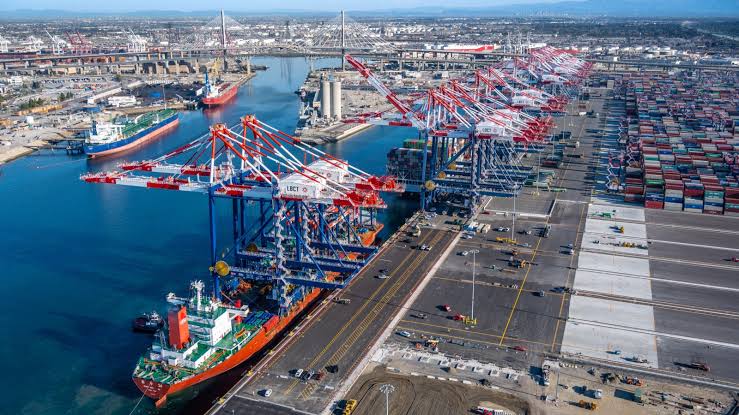
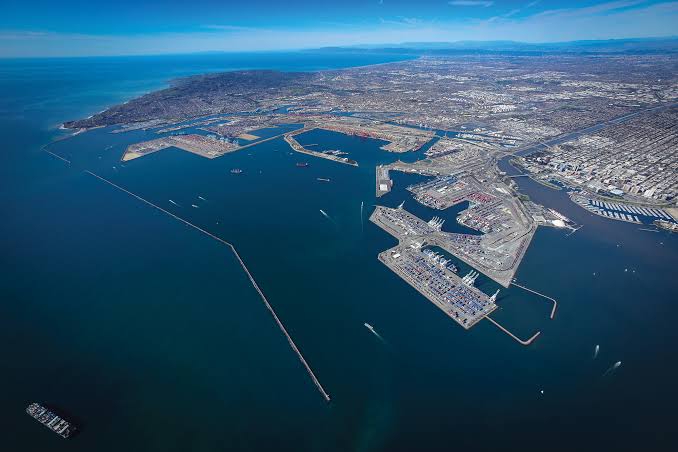
Los Angeles and Long Beach (LA/LB) are the largest gateway for LCL shipping from China to the USA, handling the highest consolidation volumes and offering the shortest transit from South China. For most importers shipping from Guangzhou, Shenzhen, or Nansha, the LA/LB lane is the default choice because the sailing is frequent, the consolidation is mature, and final delivery into the Southern California warehouse network is straightforward.
This guide covers why LA leads, how the lane works, what you pay at destination, and how to plan last-mile delivery.
Why Los Angeles Is the Top China LCL Destination
LA/LB sits closest to the major South China manufacturing regions by ocean, which translates into the shortest transit and the most frequent sailings of any US gateway. High volume means containers consolidate quickly, so your cargo spends less time waiting at the origin CFS for a full box. That frequency and speed are why most China to US LCL naturally routes through Southern California.
The port complex also has the deepest ecosystem of drayage, warehousing, and fulfillment providers in the country. Whether your goods go to a 3PL, an Amazon FBA center, or a commercial warehouse, the delivery network around LA/LB is the most developed in the US. A qualified China to USA freight forwarder uses this network to match the delivery method to your receiving location instead of offering a generic terminal pickup.
The South China to LA/LB Advantage
USLCL consolidates from Guangzhou, Shenzhen, and Nansha, putting your goods close to the suppliers that produce them. Receiving cargo at facilities near the factories shortens the collection leg and lets us build consolidated containers on a reliable weekly rhythm. That geographic fit is the single biggest reason the LA lane stays fast and predictable.
For the cost side of this lane, the main LCL guide from China to USA explains the full cost structure, including how origin and destination charges combine into your landed price.
Full Timeline: China to LA/LB Delivery
A typical LCL shipment to Los Angeles moves through these stages:
- Supplier delivery to CFS in South China (1 to 3 days after production).
- Consolidation wait until the shared container is full (2 to 7 days, depending on volume).
- Export clearance and loading (1 to 3 days).
- Ocean transit to LA/LB (about 14 to 20 days from South China).
- Arrival and devanning at the destination CFS (2 to 4 days).
- US customs clearance (1 to 3 days; longer if inspected).
- Last-mile delivery to your warehouse or fulfillment center (1 to 5 days).
The stage-by-stage day counts and the factors that lengthen each one are detailed in the LCL transit time guide, which is the place to check if your schedule is tight.
Destination Fee Structure at LA/LB
Beyond the ocean freight, expect destination charges at Los Angeles that include CFS devanning, DDC (destination delivery charge), terminal handling, and any storage if the cargo is not picked up promptly. Demurrage and detention apply when containers or equipment are held past the free period, so planning pickup dates matters.
These destination fees are part of the all-in quote you should receive up front. Comparing two forwarders on ocean rate alone hides exactly this portion of the cost, which is why an itemized quote is the only fair way to evaluate LA/LB pricing.
Last-Mile Delivery Options
Once cleared, you have two broad paths:
- Self-pickup at the destination CFS if you have your own drayage and warehouse appointment.
- Carrier delivery arranged by your forwarder to a warehouse, 3PL, FBA center, or commercial address.
Each destination type has its own requirements. FBA deliveries need precise appointment and labeling compliance. Commercial addresses often require scheduled dock appointments and limited free wait time. A forwarder that coordinates the US end directly will match the delivery method to your receiving location instead of handing you a generic terminal pickup.
Los Angeles vs New York and New Jersey
New York and New Jersey (NY/NJ) is the main East Coast gateway, but it sits roughly two weeks further by ocean and typically carries higher all-in cost than LA/LB for cargo originating in South China. NY/NJ makes sense when your customers or warehouses are on the East Coast and the inland drayage from LA would erase the transit savings. For most South China origin cargo, LA/LB remains the faster and cheaper first port of entry, with transload or rail options available for East Coast fulfillment when needed.
The transit differences between these gateways are explained in the transit time guide, which compares West, East, and Gulf routes side by side.
Frequently Asked Questions
How long does LCL shipping from China to Los Angeles take?
Door-to-door, LCL from South China to Los Angeles typically runs about 20 to 30 days, including consolidation, ocean transit of roughly 14 to 20 days, devanning, customs, and final delivery. The exact timing depends on how quickly the container consolidates at origin.
What fees should I expect at the Los Angeles port?
Expect destination charges such as CFS devanning, DDC, terminal handling, and possible storage or demurrage if pickup is delayed. These should appear in your itemized quote, not as a surprise after arrival.
Can LCL be delivered directly to an Amazon FBA center?
Yes. LCL to LA/LB can be delivered to an FBA center, but FBA appointments, labeling, and delivery windows must be planned in advance. A forwarder coordinating the US end will schedule the delivery to meet those requirements.
Is Los Angeles cheaper than New York for China LCL?
For cargo from South China, Los Angeles is usually both faster and cheaper as a first port of entry because it is closer and consolidates more volume. New York makes sense mainly when your final destination is on the East Coast and inland transit would offset the LA savings.
What is the difference between pickup and delivery for LCL?
Pickup means you collect the devanned cargo from the destination CFS yourself, arranging your own drayage. Delivery means your forwarder moves it from the port to your warehouse, 3PL, or FBA center, which is the more common choice for importers without local logistics in the US.
How do I avoid demurrage at LA/LB?
Plan your pickup or delivery appointment before the container arrives, and confirm free-time windows with your forwarder. The fastest protection is to have the final delivery pre-arranged so cargo leaves the terminal within the free period. When you are ready, contact our team to plan your LA lane.