Before cargo leaves the supplier
Confirm the accepted cargo details, packaging, receiving instructions and who is arranging delivery to origin receiving.
 Prepare an inquiry ↗
A practical guide to preparing your China-to-US LCL shipment.
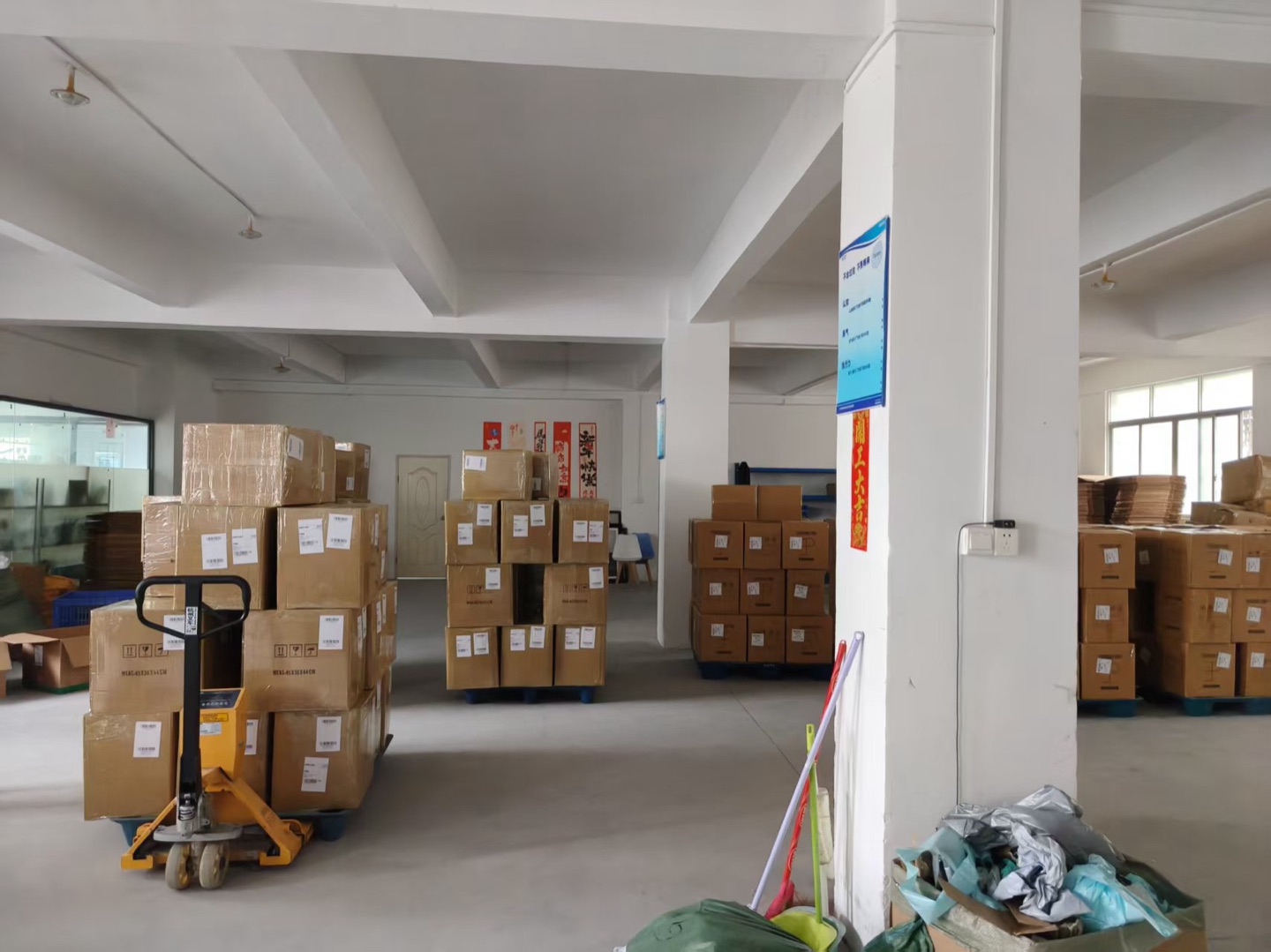
From shipment details to the final handoff.
Tell us what you are shipping, where it is going and when it will be ready.
Agree the service scope, applicable charges and cargo acceptance before booking.
Follow the receiving instructions, verify documents and coordinate the ocean leg.
Coordinate destination handling and collection or onward delivery as agreed.
Commodity, packaging, package count, gross weight and total volume.
Origin, destination and the date the cargo will be ready.
Port collection or door delivery. For delivery, include the address and ZIP code.
Disclose batteries, liquids, powders or other special attributes before arranging delivery to the receiving location.
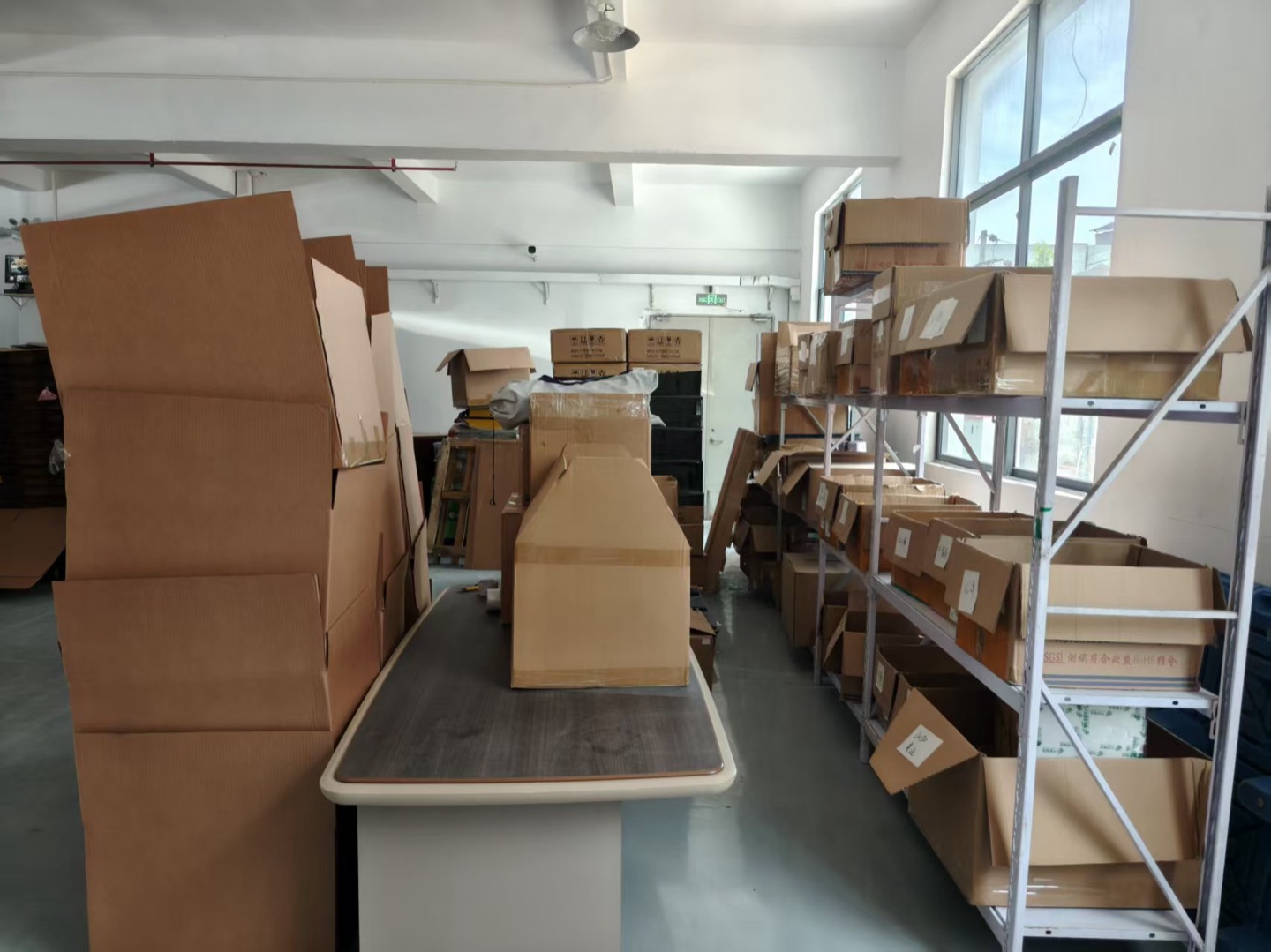
Before the supplier sends the goods, connect the physical cargo to the confirmed receiving instructions.
Measure the outside of each package. Length × width × height in metres gives the volume in cubic metres. Calculate different package sizes separately, then add them together.
Port collection and door delivery cover different activities. Confirm destination handling, customs responsibilities, collection and final delivery separately in the quotation.
Estimated milestones depend on the confirmed booking and may change with operating conditions. Check the latest information before planning dependent activities.
Measure the finished transport package, not the product inside it. Include pallet height and any overhang. For mixed carton sizes, list each size and quantity separately instead of using an approximate average.
Give total gross weight, including cartons, pallets and protective materials. Identify packages that cannot be stacked, must stay upright or need special lifting equipment.
Each carton: 0.60 m × 0.40 m × 0.50 m.
This example calculates physical volume only. It is not a quotation or a billable-volume rule; the applicable tariff and minimums must be confirmed.
| Record | What to check | Why it matters |
|---|---|---|
| Commercial invoice | Product description, seller and buyer details, quantities, values and agreed transaction information. | A vague description or inconsistent quantity creates questions during document review. |
| Packing list | Package count, packaging type, dimensions, gross weight and package references. | The receiving and delivery teams need to match the record to the physical cargo. |
| Shipping instructions | Shipper, consignee, notify party and shipment references, as requested. | These details must be reviewed before transport documents are finalized. |
| Receiving instructions | The confirmed location, receiving reference, cutoff and appointment requirements. | A city name or website address is not authorization to send cargo to a facility. |
This is a preparation checklist, not a complete customs-document list. Commodity-specific import requirements should be confirmed with the responsible customs professional.
Confirm the accepted cargo details, packaging, receiving instructions and who is arranging delivery to origin receiving.
Review the shipper, consignee and notification details. Report changes promptly rather than waiting for draft documents to be issued.
Confirm release status, pickup authorization and the actual collection point. Vessel arrival alone does not mean loose cargo is ready to collect.
Start with your cargo details and delivery requirements.