
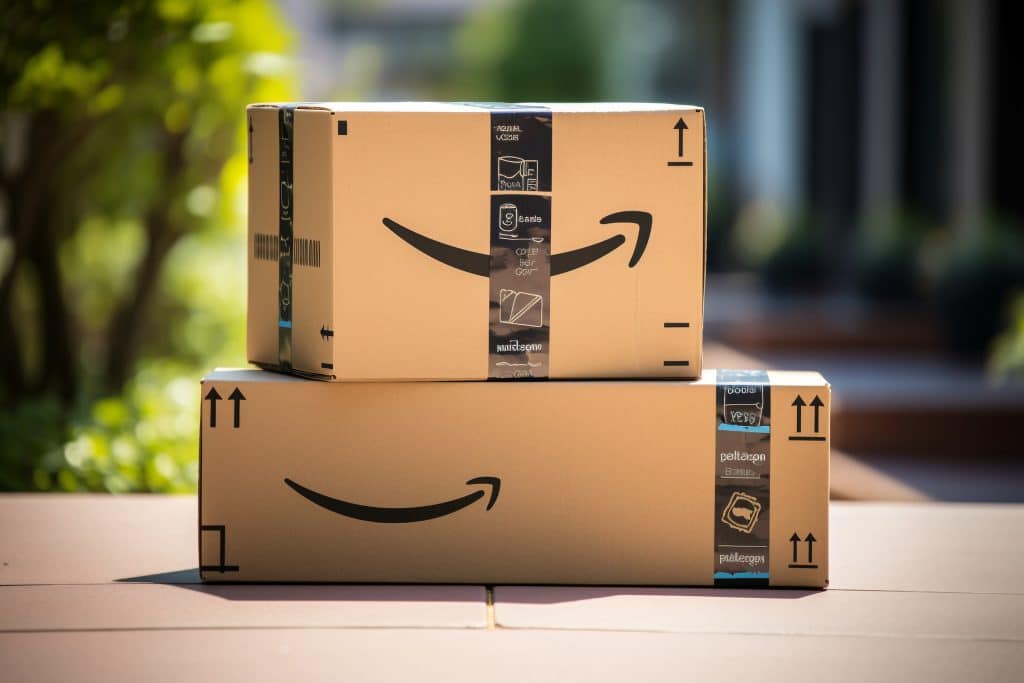
Shipping to Amazon FBA from China via LCL means consolidating your goods with other cargo and delivering them to an Amazon fulfillment center under Amazon’s inbound rules. The ocean transit is the same as any LCL shipment from China to the USA, but the receiving end is different: Amazon requires specific carton and unit labels, pallet standards, and a scheduled inbound appointment.
This guide covers the FBA-specific steps, the cost items that only appear on an FBA delivery, and the mistakes that get a shipment rejected at the dock door.
How LCL Fits the FBA Inbound Flow
A typical LCL to FBA shipment moves from your Chinese supplier to a Container Freight Station, consolidates with other cargo, sails to the US, deconsolidates, clears customs, and then drays to the assigned Amazon FC. The LCL portion is handled like any shared container, and the underlying shipment still needs the standard paperwork outlined on the LCL shipping documents page. What changes is everything after arrival: Amazon will not accept the cargo without compliant labeling and a valid appointment, so those requirements have to be built into the plan before the container sails.
Ship-To Amazon Address and Inbound Appointment
You create the shipment plan in Seller Central, which returns the destination FC address and a shipment ID. That address is the only delivery point Amazon recognizes, and it is not a standard street address you can reuse for other carriers. Once the cargo lands in the US, the delivery must be scheduled through Amazon’s appointment system. A common failure is treating FBA like a normal warehouse drop: without the appointment, the truck is turned away even if the freight is on time. A China to USA freight forwarder that runs the FBA lane will usually book the appointment as part of the delivery.
Carton and FNSKU Labeling Requirements
Every sellable unit needs an FNSKU barcode that Amazon can scan, applied so it is visible and scannable on the outside of the individual item or its retail packaging. Each carton needs an FBA carton label, and a carton should not mix different SKUs unless you have explicitly set up a mixed-SKU box in Seller Central. Labels must be printed clearly, covered with transparent tape if needed, and free of conflicting barcodes. Damaged or missing FNSKUs are one of the fastest ways to get inventory stranded at the FC.
Pallet and Floor-Loading Specs
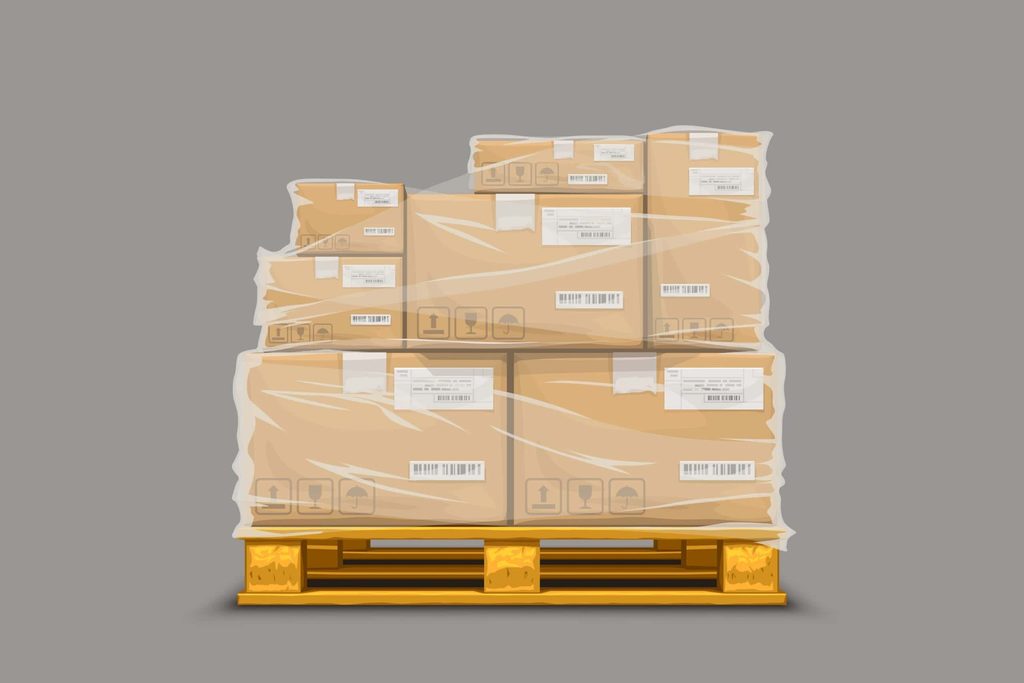
If the shipment is palletized, Amazon expects standard 40 by 48 inch GMA pallets, stretch-wrapped and stacked so the configuration is stable, with the pallet label visible on four sides. Individual cartons should stay within Amazon’s weight and dimension limits, and the total pallet height must clear the FC’s receiving equipment. Some lanes allow floor-loaded containers, but palletized freight is the safer default because it moves through Amazon’s receiving system with less handling. Confirm the exact spec for your destination FC, because limits vary by region.
FBA vs Direct or 3PL Fulfillment
Sending goods to FBA is not the only option. A comparison of LCL and FCL shipping helps with the container decision, but the fulfillment decision is separate: FBA gives you Prime eligibility and hands off storage, picking, and returns, while a 3PL or your own warehouse keeps control and can be cheaper at high volume. FBA wins for most small and mid-size sellers who want Amazon to own the last mile; a 3PL wins when margins are thin or when you sell across multiple channels and do not want all inventory inside Amazon’s network.
LCL to FBA Cost Structure
Beyond the normal LCL charges (origin handling, ocean freight, destination fees, customs, and drayage), an FBA delivery adds FBA-specific items. Your forwarder may charge a labeling or repacking fee if labels are applied in the US rather than at the factory, and Amazon itself charges inbound placement or processing fees depending on the program. The drayage leg to the FC can also cost more than a standard warehouse drop because of the appointment and FC-specific handling. Always ask for an itemized quote that separates the ocean line from the FBA inbound services so the landed cost is clear.
Common FBA Rejection Reasons
- Label damage or missing FNSKU on units or cartons.
- Mixed SKUs in a carton that was not set up as a mixed box.
- Overweight or oversized cartons that exceed FC limits.
- No inbound appointment at the time of delivery.
- Non-compliant pallets that cannot be received by the FC equipment.
- Paperwork mismatch between the shipment plan and the physical cartons.
Pre-Shipment Checklist
- Create the shipment plan and lock the FC address and shipment ID.
- Apply FNSKU and carton labels at the factory, not after arrival.
- Confirm carton weights and pallet specs against the destination FC rules.
- Book the US delivery appointment before the container arrives.
- Request an itemized LCL plus FBA inbound quote from your forwarder.
Frequently Asked Questions
Do I need FNSKU labels on every unit?
Every sellable unit that goes into Amazon’s commingled or storable inventory needs a scannable FNSKU so Amazon can identify the product and owner. The exception is items already manufactured with an eligible manufacturer barcode that you have approved in Seller Central, but for most private-label goods the FNSKU is required.
What are Amazon’s pallet requirements for LCL shipments?
Amazon generally expects 40 by 48 inch GMA pallets, stretch-wrapped and stable, with the pallet label visible on four sides and cartons inside the allowed weight and height limits. Exact limits vary by fulfillment center, so confirm the spec for your assigned FC before palletizing.
How much does LCL to FBA cost compared with a standard delivery?
The LCL ocean and customs portion is similar to any China to US LCL shipment. The added cost comes from FBA-specific services: US-side labeling or repacking if not done at the factory, Amazon inbound placement fees, and drayage to the FC with an appointment. An itemized quote separates these so you can see the true landed cost.
Why would Amazon reject my FBA shipment?
Rejections usually trace back to labeling problems, mixed SKUs in one carton, overweight cartons, missing appointments, non-compliant pallets, or a mismatch between the shipment plan and the physical boxes. Most rejections are preventable by confirming Amazon’s requirements before the container sails.
Do I need a freight forwarder for FBA inbound?
Most sellers use a forwarder because the FBA lane involves consolidation, US customs, drayage, and the inbound appointment, which are hard to coordinate alone. A forwarder that runs the China to US FBA lane will typically manage labeling handoff and the delivery appointment as part of the service. When you are ready, contact our team for an itemized FBA inbound quote.
Get an FBA Inbound Quote
If you are sending goods from China to an Amazon fulfillment center, plan the labeling and appointment before the container sails. Share your shipment ID, destination FC, carton count, and weights, and we will return an itemized LCL plus FBA inbound quote that shows the full landed cost.